
Berlin Becomes a Bridge: Kyrgyz Women Entrepreneurs Unite Across Borders
We believe that the Kyrgyz diaspora in Europe has the potential to become a real economic bridge — helping women entrepreneurs from Kyrgyzstan enter European markets, and building the partnerships that will define the next generation of Kyrgyz international business.
Aitolgon Boronbaeva, Director, Danaker Association
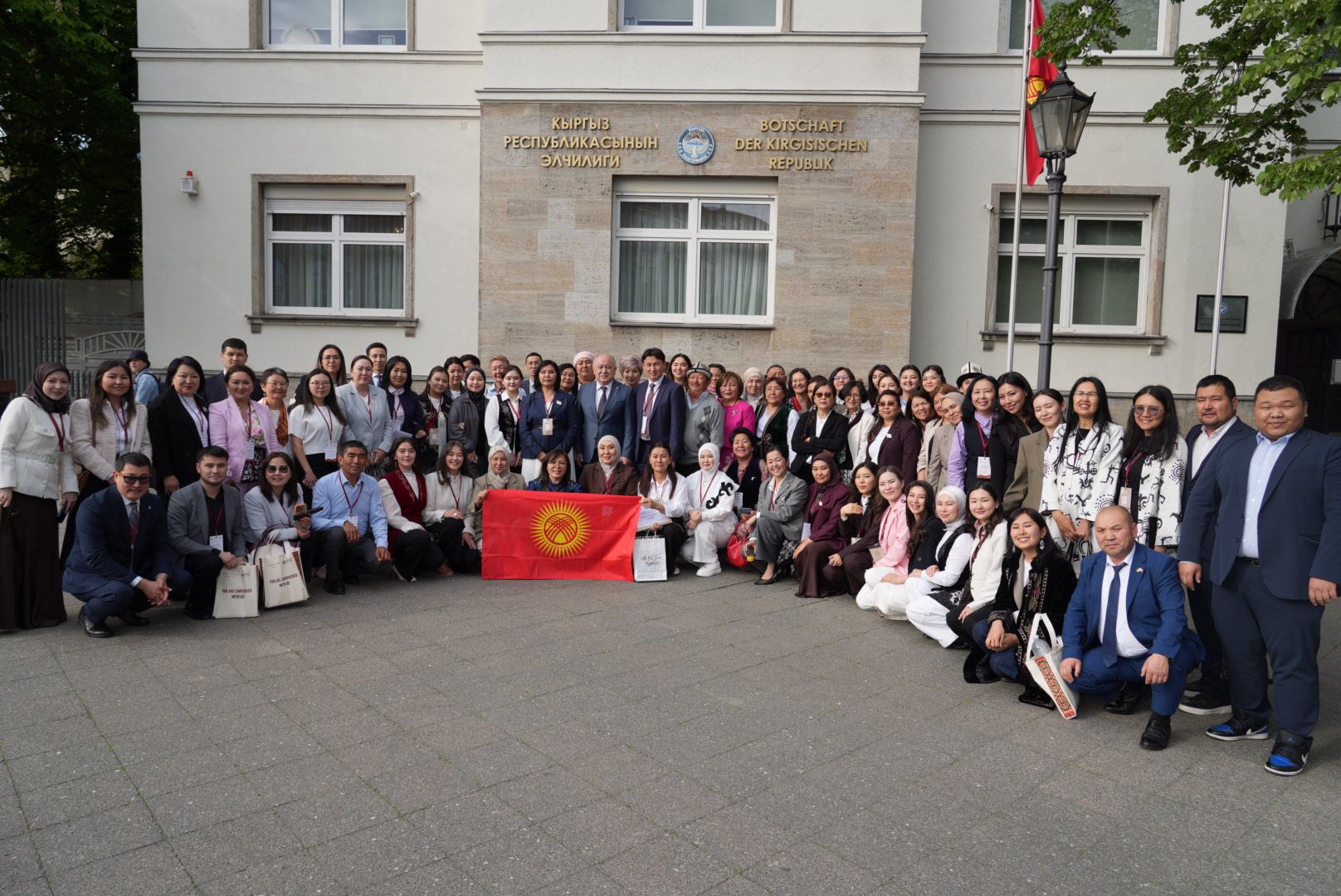
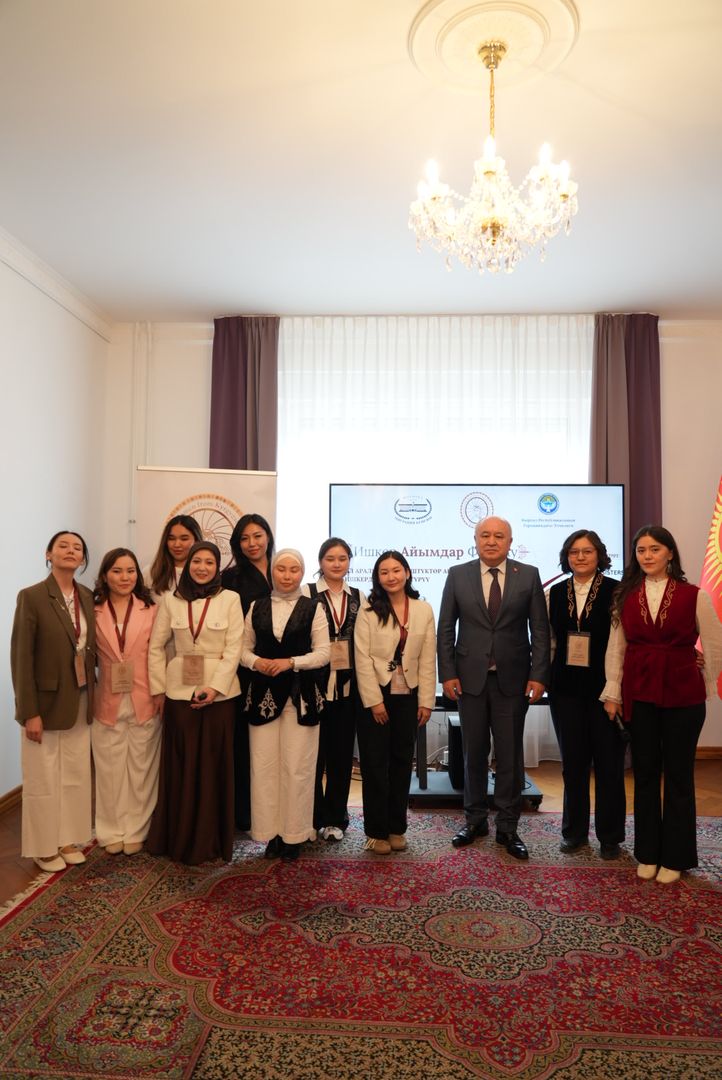
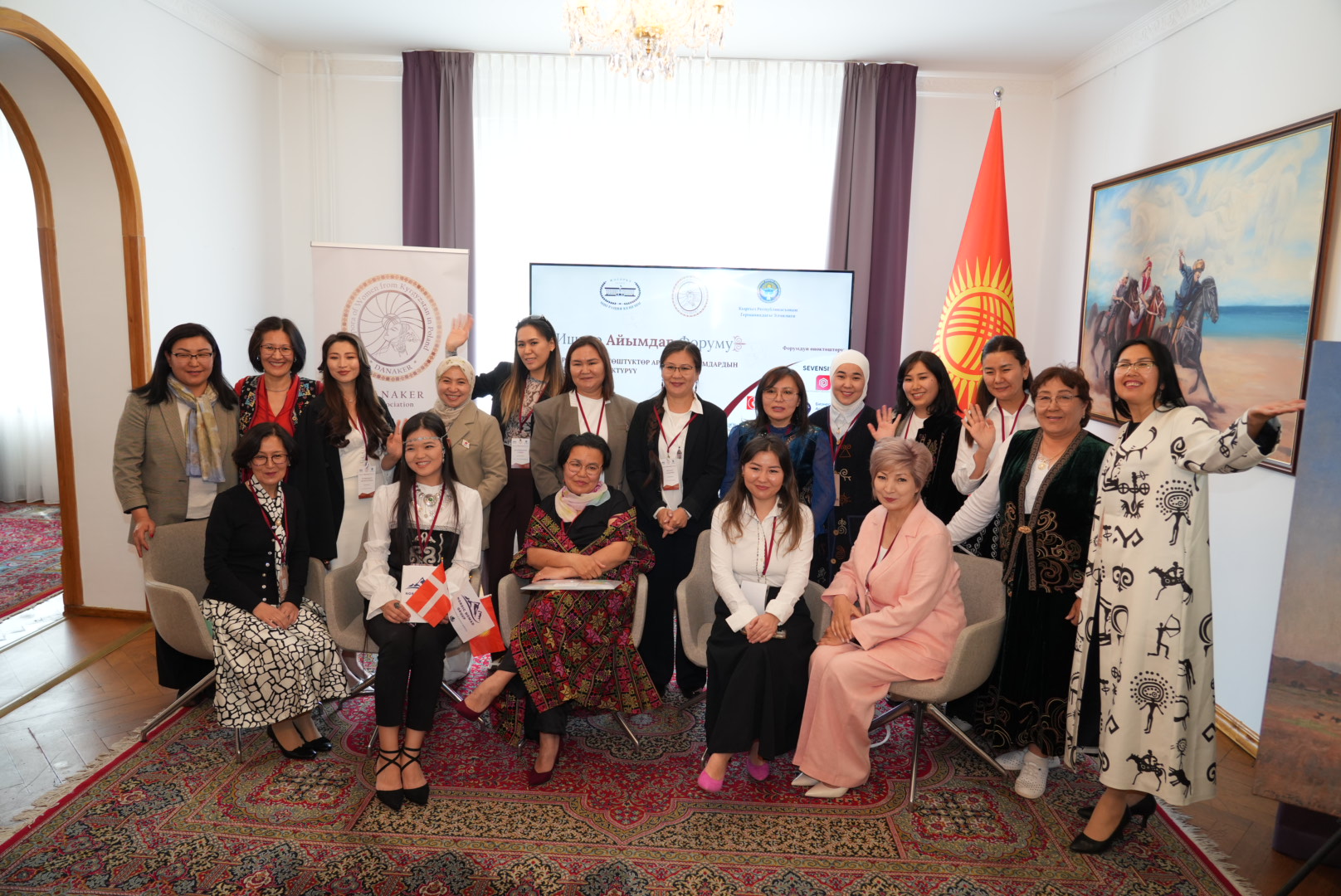
Over 80 participants from 8 countries gathered at the Embassy of the Kyrgyz Republic in Berlin for a landmark forum on cross-border women's entrepreneurship
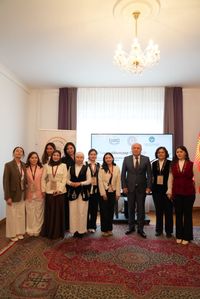
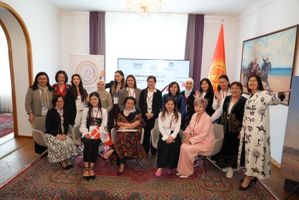
BERLIN — The first-ever transnational forum dedicated to advancing women's entrepreneurship between the Kyrgyz Republic and Europe took place on 16 May 2026 at the Embassy of the Kyrgyz Republic in Berlin, Germany. Organized by the Danaker Association — Diaspora of Women from Kyrgyzstan in Poland — in partnership with the Migration and Human Trafficking Council under the Speaker of the Parliament of the Kyrgyz Republic, and is held under the patronage of the Embassy of the Kyrgyz Republic in the Federal Republic of Germany. The forum brought together more than 80 participants from 8 countries — Kyrgyzstan and 8 European nations including the United Kingdom, Germany, Poland, Czech Republic, Denmark, Norway and Switzerland — creating an unprecedented platform for connection, knowledge exchange, and cross-border partnership.
Opening the forum, Ambassador Omurbek Tekebaev delivered a keynote that reframed the diaspora not as a challenge, but as Kyrgyzstan's greatest global asset. Referencing Semyon Chuikov's iconic painting “Daughter of Soviet Kyrgyzstan” — displayed prominently at the Embassy — the Ambassador drew a direct line between the Kyrgyz woman of a century ago who fought for education and equality, and the entrepreneurs gathered in the room today. He proposed bold measures, including concessional credit support for Kyrgyz entrepreneurs seeking to open businesses in Germany, arguing that direct participation in European markets — in hospitality, logistics, IT, and the creative economy — would build lasting bridges between Kyrgyzstan and Europe.
"Diaspora is not a problem — it is Kyrgyzstan's global resource."
Aitolgon Boronbaeva, Director of Danaker and co-organizer of the forum, opened the event alongside Ulan Nogoibaev, Head of the Secretariat for the Migration Council of the Kyrgyz Republic.
Two Panels, One Powerful Conversation
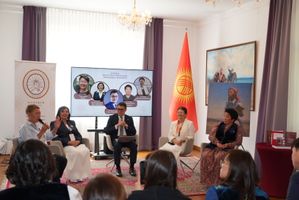
The forum's first panel brought together women entrepreneurs from Denmark, Germany, the United Kingdom, and Switzerland, who shared candid accounts of building successful businesses far from home. Beyond strategy and market access, the conversation went deeper: speakers highlighted entrepreneurship's role in combating gender-based violence in their communities, and raised the often-overlooked dimension of mental health — acknowledging the immense dual burden women entrepreneurs carry, managing businesses while shouldering responsibilities at home — and calling for stronger support structures within the entrepreneurial ecosystem.
The afternoon's second panel shifted focus to Kyrgyzstan itself, where women entrepreneurs from the sewing, tourism, coaching and mediation, and pharmaceutical sectors shared bold stories of building and leading businesses in industries traditionally dominated by men. Their experiences illustrated both the resilience of Kyrgyz women in business and the enormous untapped potential waiting to connect with European markets.
European Opportunities Meet Kyrgyz Potential
Between the panels, the forum gave the floor to two key experts whose presentations bridged European and Kyrgyz contexts into a unified picture of opportunity.
Azamat Ismailov, Representative of the Chamber of Commerce and Industry of the Kyrgyz Republic in Germany and Poland, presented an analysis of the European market for Kyrgyz entrepreneurs. Drawing on over 20 years of business experience in Europe and the organization of more than 60 international business forums, Ismailov outlined concrete entry points: from GSP+ status, providing zero customs duties on over 6,000 goods from Kyrgyzstan, to specific niches — organic products, textiles, and agricultural processing. His message was clear: Europe is open, the tools exist, what's needed are partners and action.
Gulsina Kozhoyarova, Board Member of the Association of Women Entrepreneurs of the Kyrgyz Republic and Chair of the Chamber of Mediators of the KR, presented a comprehensive overview of the current state of women's entrepreneurship in Kyrgyzstan. Her data is impressive: 40% of small and medium-sized businesses in the country are led by women — up from 34% in 2018; more than 142,000 women received business loans in 2024 alone, totaling 27 billion soms. Kozhoyarova demonstrated not just numbers, but systemic growth: government support programs, legislative changes, the establishment of an Advisory Council on Women's Entrepreneurship. Her presentation showed that in Kyrgyzstan, women's business is not a marginal sector, but a growing economic force.
Together, these presentations formed a critical understanding: on one side — a European market with open opportunities and clear access tools; on the other — Kyrgyzstan with a rapidly growing women's entrepreneurship segment ready for international scaling. The forum became precisely the place where these two vectors met.
Innovation, Language, and Legacy
Dr. Elira Turdubaeva presented practical guidance on how artificial intelligence tools can be immediately applied to grow and sustain businesses today — a session that resonated strongly with both diaspora entrepreneurs navigating competitive European markets and Kyrgyzstan-based founders seeking efficiency and scale.
In a moment of cultural significance, Dr. Mahabat Sadyrbek presented her newly published Comprehensive Grammar of the Kyrgyz Language — a reminder that language is not only a tool of communication but a foundation of identity, and that preserving it is itself an act of leadership for a diaspora community spread across a continent.
Forum Participants
The forum convened representatives of leading business associations and companies from the Kyrgyz Republic, including the Association of Businesswomen of Kyrgyzstan, the Kyrgyz Sewing Association, JIA Business Association, as well as founders of KIYIZ GROUP, KOL SUU ZHYRGAL, BMG Pharm, Aziza Collection, SAZ, XTREND, Ilias & CO, HoReCa, First Academy, and others.
The European business community was represented by women entrepreneurs from Germany, Poland, Czech Republic, Denmark, Norway, Switzerland, and the United Kingdom, including founders of Intermedical Center and Academy Berlin, Nomad with Plove, NoMad Consultancy, Central Asian Hub, Nordic Nomad Group, Swiss Kyrgyz Club, SEVENTSISTERS and Borsok.
Partnerships, Visits, and What Comes Next
The forum generated tangible results beyond the conference room. Participants forged new partnerships across borders, strengthening the institutional ties between Kyrgyzstan and Europe. Women entrepreneurs from Kyrgyzstan expressed strong interest in accessing European markets — and left Berlin with concrete contacts and collaborations to pursue.
The forum was followed by a three-day business visit program, during which Kyrgyz entrepreneurs toured business facilities and institutions in Germany and Poland — turning conversation into firsthand experience of the European business environment.
"This forum was not an endpoint — it was a beginning. We believe that the Kyrgyz diaspora in Europe has the potential to become a real economic bridge — helping women entrepreneurs from Kyrgyzstan enter European markets, and building the partnerships that will define the next generation of Kyrgyz international business." — Aitolgon Boronbaeva, Director, Danaker Association
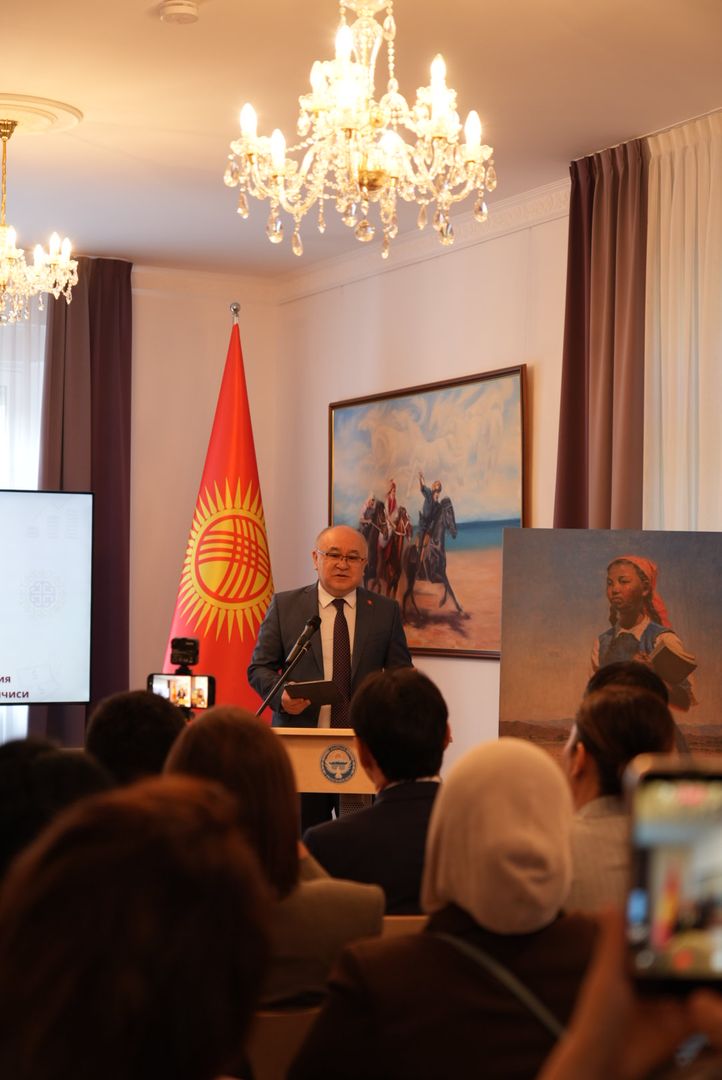
Omurbek Tekebayev - Ambassador of the Kyrgyz Republic to Germany
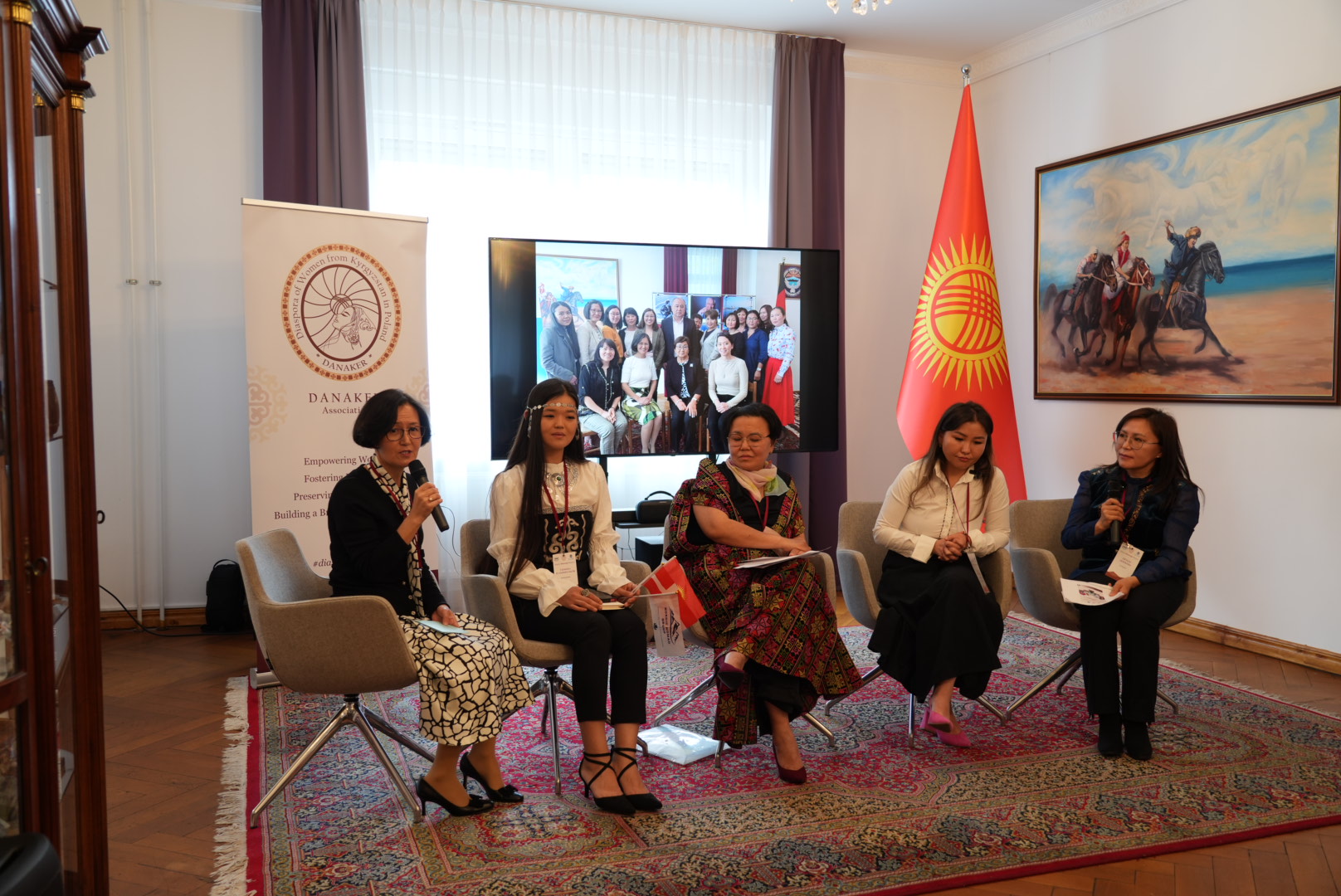
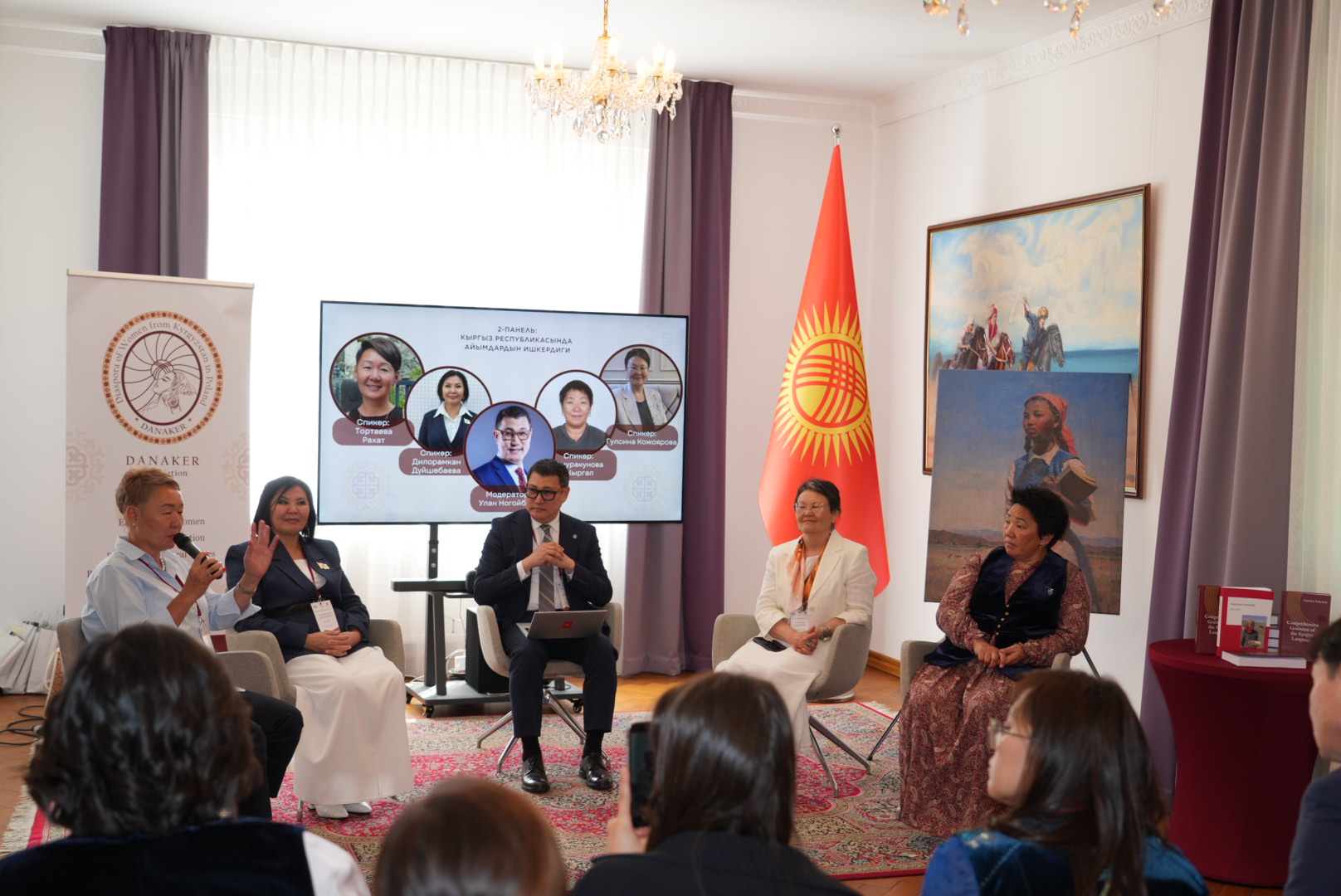
Panel 2 — Women Entrepreneurship in the Kyrgyz Republic
Dodaj informację do portalu ngo.pl!
Czekamy na Twój artykuł, komentarz, wywiad czy relację. Dotrzyj ze swoją informacją do tysięcy osób, które czytają ngo.pl.
-
Stowarzyszenie Nowoczesnej Edukacji Prawnej
-
Ela Bajda, Szkoła OFOP, Szkoła reprezentacji
-
Dorota Setniewska, ngo.pl
-
Justyna Dziuma